For a long time, type 2 diabetes has been treated as a life sentence by conventional medicine. Once diagnosed, the story usually goes like this: you’ll be on medication for the rest of your life, your condition will slowly worsen with or without medication, and the best you can hope for is “management” of this condition. These messages alone are enough to drain hope out of anyone with type 2 diabetes.
But here’s the thing – when you slow down and really look at what type 2 diabetes really is, that story begins to crack.
Type 2 diabetes is not a disease of missing insulin. That’s type 1. Type 2 diabetes is a condition of insulin resistance. Your body is still producing insulin — often too much of it — but your cells have stopped responding properly to the often overproduced insulin. Like someone ignoring a doorbell that’s been rung too many times, the signal is there, but the response is gone.
And that distinction matters. A lot.
When insulin resistance develops, glucose struggles to move from the bloodstream into the cells where it’s needed for energy (resulting in energy starvation at the cellular level). Energy drops equals fatigue. Blood sugar rises (hyperglycemia) or crashes too low (hypoglycemia). The pancreas works harder. Insulin levels stay chronically high. Over time, this creates a metabolic traffic jam in your system — one that damages blood vessels, nerves, kidneys, and the heart.
But insulin resistance doesn’t appear overnight. It starts building slowly, quietly, often over years. And because it’s driven largely by lifestyle factors — such as diet, physical inactivity, chronic stress, poor sleep — it can also, in many cases, be reversed to normalcy.
That’s where the idea of reversal enters the conversation.
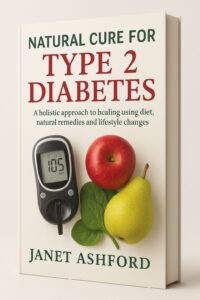
Get this full comprehensive ebook and audiobook designed for lifelong diabetes freedom.
Was $95 Now $37.00
Instant Download
Reversal doesn’t mean to pretend diabetes never existed. It doesn’t mean ignoring expert medical advice or throwing away medications overnight. What it means is restoring blood sugar control to non-diabetic ranges without the need for ongoing medication, by addressing the root cause rather than the symptoms.
Type 2 diabetes being a lifestyle disease, means that to be armed with the knowledge of the right lifestyle that will reverse insulin resistance is the only solution you need.
This is not speculation. Clinical studies have shown that significant weight loss, especially the reduction of fat in the liver and pancreas, can dramatically improve insulin sensitivity. When the liver stops dumping excess glucose into the bloodstream and the pancreas regains proper insulin signaling, blood sugar levels can normalize. Not forever guaranteed—but possible.
Yet most people are never told this.
Instead, the focus is placed almost entirely on lowering blood sugar numbers. Medications are prescribed to push glucose down, but the underlying insulin resistance often remains untouched. The numbers look better for a while, but the metabolic problem underneath continues to smolder.
The symptom-reducing medications come with known and unknown adverse side effects.
It’s a bit like mopping the floor with dirty water while the tap is still running. How can our scientifically developed world make medications to tackle symptoms instead of root causes? And, does a lifestyle disease require medications at all, in the first place?
Understanding type 2 diabetes as a metabolic condition, not a permanent defect, changes how you approach it. Food choices stop being about “sugar avoidance” alone and start being about insulin demand. Exercise stops being punishment and becomes a tool for restoring cellular sensitivity. Even meal timing — when you eat, not just what you eat — begins to matter.
And then there’s hope. Real hope. Not the fragile kind, but the grounded kind that comes from understanding what’s actually happening inside your body.
This doesn’t mean reversal is easy for everyone because unlearning bad habits practiced over years can be daunting. It takes consistency. It takes patience. It takes unlearning a lot of bad advice. And it doesn’t look the same for everyone. Some people achieve full remission. Others see dramatic improvement but still need minimal medication. Both outcomes matter.
What’s important is this: type 2 diabetes is not simply something that “happens to you.” It’s something that develops — and because it develops, it can often be undone, at least in part.
That’s the foundation of everything else on this site.
Not quick fixes.
Not miracle cures.
Just biology, explained honestly… and worked with, not against.
Like turning down the noise in a room until, slowly, you can hear yourself think again.
Subscribe to our newsletter! and learn more about natural cure for type 2 diabetes.